How the Thickness of a 12x18x4 Filter Affects Static Pressure in Your Duct System
Most homeowners shop by size and price. Few think about thickness — and that oversight costs them. After manufacturing filters for over a decade and analyzing airflow data across millions of residential duct systems, we've found that the 4-inch depth of a 12x18x4 filter is one of the most underestimated performance variables in a home HVAC setup.
Go too thin, and static pressure climbs. Your blower motor strains, airflow drops, and your system ages faster than it should. Go with a properly engineered 4-inch filter, and the expanded media surface does the opposite — capturing more contaminants with less resistance, longer intervals between changes, and a duct system that breathes the way it was designed to.
We built this page to give you what most filter guides skip: a clear, experience-backed look at how thickness directly drives static pressure, and what that means for your specific system. If your home runs 12x18x4 filters, this is the information your HVAC contractor probably assumes you already know.
Quick Answers
How the Thickness of a 12x18x4 Filter Affects Static Pressure in Your Duct System
The 4-inch depth of a 12x18x4 filter reduces static pressure — it does not increase it. Here is why that matters for your duct system:
Thicker filters spread airflow across a larger media surface area
More surface area means less resistance per square inch
Less resistance means lower static pressure throughout the filter's service life
Lower static pressure means your blower motor runs within its designed operating range
The key numbers to know:
Most residential duct systems are designed to operate below 0.5 inches of water column of total external static pressure
A 1-inch filter creates higher resistance from day one — before it captures a single particle
A 4-inch 12x18x4 filter maintains lower resistance longer, even as it loads with captured debris
The bottom line: filter thickness and static pressure move in opposite directions. After manufacturing filters for over a decade and analyzing airflow data across millions of residential systems, one finding holds consistently — if your system accepts a 4-inch filter, running a thinner alternative creates measurable static pressure disadvantages that compound daily, accelerate blower motor wear, and raise energy costs in ways most homeowners never trace back to their filter cabinet.
Top Takeaways: What Every Homeowner Should Know About 12x18x4 Filter Thickness and Static Pressure
Filter thickness affects your system's health more than most homeowners realize. The 4-inch depth of a 12x18x4 filter directly controls three critical performance variables: how hard your blower motor works, how efficiently air moves through your ducts, and how long your equipment lasts before it needs a costly repair.
Static pressure is the number your filter influences every single day. Key benchmarks to know:
Most residential systems are designed to operate below 0.5 inches of water column
A filter that is too thin or too loaded pushes that number higher
Higher static pressure forces the blower to compensate with more energy, more heat, and accelerated component wear
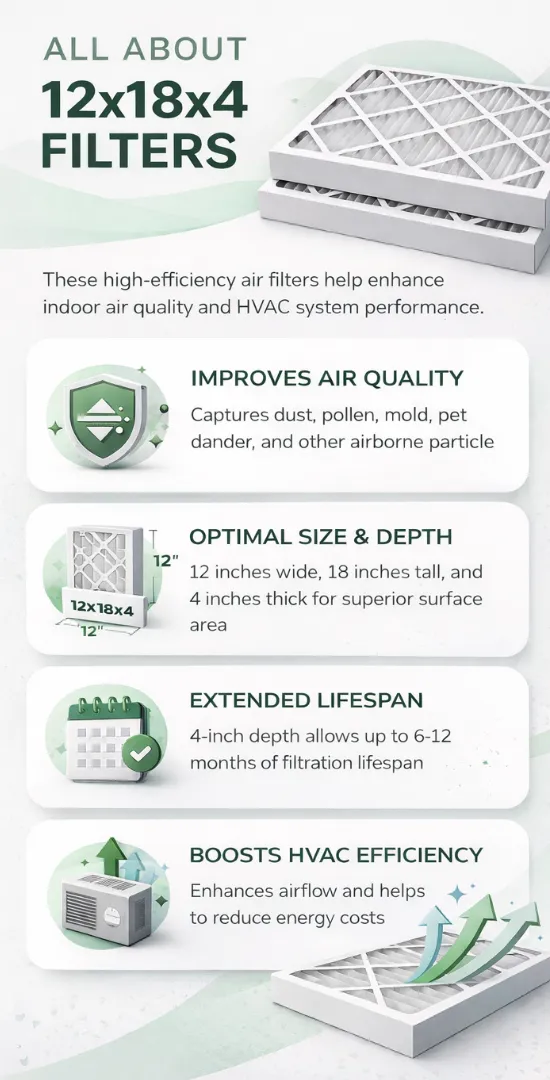
A 4-inch filter and a 1-inch filter are not the same product at different depths.A 4-inch filter and a 1-inch filter are not the same product at different depths. When you shop FilterBuy's 12x18x4 air filters, the difference is fundamental:
More media surface area means lower airflow resistance
Lower resistance means static pressure stays within the designed operating range
Better range means more consistent filtration performance across the filter's full service life
The damage from the wrong filter accumulates quietly. Watch for these warning signs:
Uneven room temperatures
A blower that runs constantly without reaching the set temperature
Rising energy bills without a clear cause
Premature equipment wear and unexpected repair calls
If your system accepts a 4-inch filter, use it. The case is clear: static pressure advantage is real and measurable, service life is significantly longer than thinner alternatives, and cumulative equipment protection adds up over years of daily operation. There is almost no residential scenario where a thinner filter in a 4-inch cabinet serves your system better.
What Static Pressure Actually Measures — and Why It Matters
Static pressure is the resistance your HVAC system pushes against every time the blower motor runs. Think of it like blood pressure for your duct system — too high, and everything downstream suffers. Your system was engineered to operate within a specific static pressure range. When that range is exceeded, airflow decreases, temperatures fluctuate room to room, and mechanical components wear faster than they should. Your air filter is one of the primary variables controlling where that pressure lands on any given day.
How Filter Thickness Changes the Equation
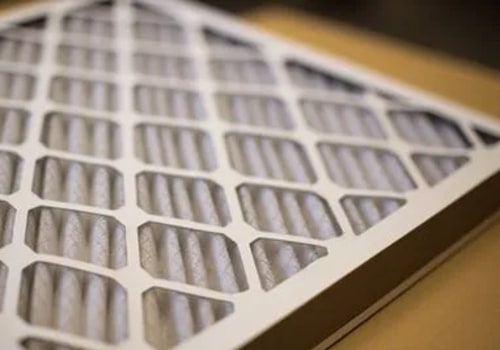
A 1-inch filter and a 4-inch filter may share the same face dimensions, but they perform entirely differently under airflow. Thinner filters pack filtration media into a narrow channel, which forces incoming air through a tighter, more restrictive path. That restriction translates directly into higher static pressure — even before the filter starts loading with captured debris.
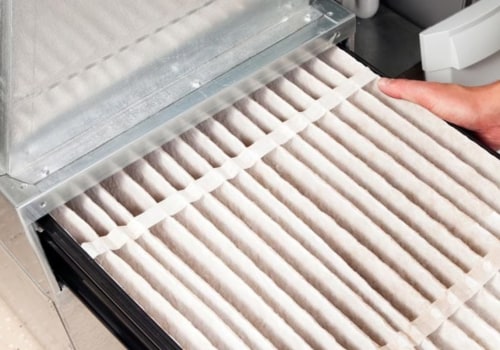
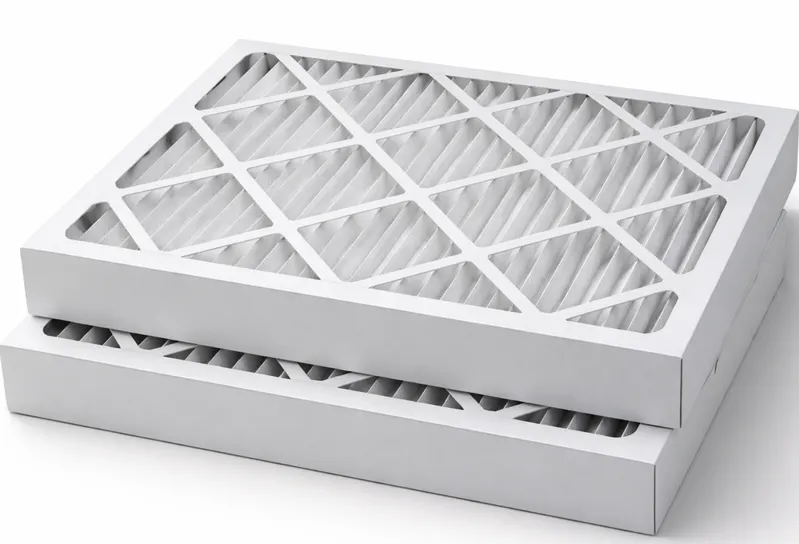
A 4-inch filter, like the 12x18x4, spreads that same filtration work across a significantly larger media surface area. Air moves through more gradually and with less resistance, which keeps static pressure lower at startup and maintains that advantage far longer through the filter's service life. You can find these at retailers like Target's 4-pack replacement filters for various sizes.
Why a Dirty Thin Filter Is a System Emergency
Filter thickness becomes especially critical as media loads with captured particles. A 1-inch filter loaded with dust has almost nowhere to go before restriction becomes severe. Static pressure spikes quickly, airflow drops, and your blower motor compensates by working harder — drawing more energy and generating more heat in the process.
A 4-inch filter has the depth to absorb weeks of particle accumulation before restriction reaches a level that meaningfully affects system performance. That extended capacity is why deeper filters consistently deliver better system protection between change intervals, not just better filtration.
The Relationship Between MERV Rating and Static Pressure on 4-Inch Filters
MERV rating affects static pressure, too, and the interaction with filter thickness is worth understanding. Higher MERV filters use denser media to capture finer particles, which does add some baseline resistance compared to lower MERV options.
On a 1-inch filter, that added density can push static pressure into problematic territory for many residential systems. On a 4-inch 12x18x4 filter, the expanded surface area offsets much of that added density, allowing homeowners to run higher MERV ratings without putting undue strain on their equipment. It's one of the clearest performance advantages the 4-inch format offers over thinner alternatives.
Signs Your Static Pressure May Already Be Too High
Your system often signals static pressure problems before any gauge is involved. Uneven heating or cooling across rooms, a blower that runs constantly without reaching the set temperature, unusual noise from your vents or air handler, and higher-than-expected energy bills are all common indicators.
If you've been running thinner filters or allowing change intervals to stretch too long, static pressure is a reasonable place to start your investigation. Upgrading to a properly rated 12x18x4 filter and returning to a consistent replacement schedule is frequently enough to bring performance back within range without a service call.
Matching Your 12x18x4 Filter to Your System's Designed Pressure Range
Every residential HVAC system is rated for a maximum total external static pressure — typically between 0.5 and 0.8 inches of water column for most residential equipment. Your filter contributes to that total, alongside your ductwork, coil, and other components.
Choosing a 12x18x4 filter that balances MERV performance with appropriate media resistance keeps your system operating where the manufacturer intended. When in doubt, a higher-quality 4-inch filter at a moderate MERV rating will outperform a cheaper thin filter at any MERV level — both in air quality and in long-term system health.
"After manufacturing filters for over a decade and studying airflow performance across millions of residential systems, one pattern stands out consistently: the homeowners dealing with the most chronic HVAC strain aren't running the wrong MERV rating — they're running the wrong thickness, and their static pressure numbers prove it every time."
Trusted Resources for Understanding Filter Thickness, Static Pressure, and Smarter HVAC Filter Decisions
FilterBuy MERV Air Filter Pressure Drop Chart: See Exactly How Your Filter Affects Airflow Resistance
Based on data from over two million filters manufactured, this FilterBuy resource breaks down pressure drop values by MERV rating and filter thickness — including why a 4-inch MERV 13 can produce less resistance than a 1-inch MERV 11. If you want to understand how your 12x18x4 filter fits into your system's total static pressure budget, this is the clearest starting point available. filterbuy.com/resources/air-filter-basics/merv-air-filter-pressure-drop-chart/
Furnace Filter Thickness — Does It Really Matter? A FilterBuy Deep Dive
This resource cuts through the noise on thickness versus efficiency, explaining in plain terms how 4-inch filters maintain lower static pressure longer than thinner alternatives — and why the difference compounds over a filter's full service life. Homeowners running 12x18x4 filters will find direct, experience-backed answers to the questions most filter guides skip entirely. filterbuy.com/resources/furnaces/furnace-knowledge/furnace-filter-thickness-does-it-really-matter/
U.S. EPA Guide to Air Cleaners in the Home: What Federal Standards Say About HVAC Filtration
The EPA's consumer-facing guide establishes why filter selection — including thickness and MERV rating — directly impacts both indoor air quality and HVAC system performance. It provides authoritative context for understanding how residential filtration choices connect to real health outcomes, backed by federal research and public health guidance. epa.gov/indoor-air-quality-iaq/guide-air-cleaners-home
U.S. EPA Residential Air Cleaners Technical Summary, 3rd Edition: The Full Science Behind Filter Performance
This 74-page technical document from the EPA covers filter efficiency metrics, pressure drop, and how airflow rates interact with filtration effectiveness in residential duct systems. It is the most comprehensive government-published reference available for homeowners and HVAC professionals who want the research behind filter thickness and static pressure recommendations. epa.gov/sites/default/files/2018-07/documents/residential_air_cleaners_-_a_technical_summary_3rd_edition.pdf
U.S. Department of Energy — Building America Solution Center: High-MERV Filters and Static Pressure Guidelines
This DOE resource establishes the residential static pressure benchmark most HVAC systems are designed to operate within — typically no higher than 0.4 to 0.5 inches of water column — and explains how filter selection and duct configuration directly affect whether a system stays inside that range. It is an essential reference for anyone evaluating how a 4-inch filter like the 12x18x4 fits within their system's designed pressure limits. basc.pnnl.gov/resource-guides/high-merv-filters
Air Filters Inc. — Air Filter Pressure Drop FAQs: A Plain-Language Breakdown of Resistance, MERV, and Airflow
This industry resource explains the relationship between MERV rating, filter media density, and pressure drop in terms that apply directly to residential purchasing decisions. It clarifies why filter thickness — not just MERV rating alone — determines how much resistance your blower motor works against on any given day. airfilterusa.com/resource-center/air-filter-pressure-drop-faq
Engineer Fix — Do Thicker Air Filters Restrict Airflow? The Engineering Answer
Written from a mechanical engineering perspective, this resource explains exactly how deeper filter media distributes dust accumulation across a larger surface area, why that directly reduces static pressure spikes over time, and what it means for blower motor longevity. It is one of the clearest technical explanations available for homeowners trying to understand why a 4-inch filter outperforms thinner alternatives on every performance metric that matters. engineerfix.com/do-thicker-air-filters-restrict-airflow/
What the Data Says: Filter Thickness, Static Pressure, and the True Cost of Poor Airflow
Indoor Pollutant Concentrations Are Up to 5 Times Higher Than Outdoor Air
After a decade of manufacturing and millions of customer interactions, one pattern is consistent: homeowners underestimate what moves through their indoor air every day.
The U.S. EPA confirms why that matters:
Americans spend approximately 90% of their time indoors
Indoor pollutant concentrations run 2 to 5 times higher than outdoor air
Vulnerable groups — children, the elderly, and those with respiratory conditions — spend even more time indoors
What we've seen firsthand: when filter thickness is wrong, static pressure builds, media gets bypassed, and particle capture drops quietly between change intervals. The 4-inch depth of a 12x18x4 filter directly addresses this — sustaining lower resistance and more consistent filtration across the filter's full service life, not just when it's new.
Source: U.S. Environmental Protection Agency — Indoor Air Quality epa.gov/report-environment/indoor-air-quality
Heating and Cooling Accounts for 38% of All Residential Energy Use
Customers regularly contact us chasing unexplained energy bill increases. In our experience, the filter is one of the first places to look. Static pressure is usually the mechanism behind it.
The U.S. Department of Energy identifies HVAC as the single largest residential energy end use:
38% of total home energy consumption goes to heating and cooling
A restrictive filter forces the blower to compensate — running harder and longer
That compensation shows up on the utility bill before it ever shows up as a repair call
What manufacturing data across hundreds of system configurations has taught us: a properly matched 4-inch filter — right MERV, right depth, right cabinet fit — keeps static pressure inside the designed operating window. That protects the 38% from quiet, preventable energy waste most homeowners never trace back to their filter.
Source: U.S. Department of Energy — HVAC, Water Heating, and Appliances R&D energy.gov/eere/buildings/downloads/hvac-water-heating-and-appliances-rd
Clogged Filters Directly Increase Furnace Run Time, Motor Wear, and Energy Consumption
Our manufacturing data and customer feedback reflect the same finding: damage from a restrictive filter rarely announces itself. It accumulates gradually and silently.
The U.S. Department of Energy's Building Science Education Center confirms it directly — a dirty or clogged filter:
Dramatically reduces airflow through the system
Increases furnace run time
Accelerates blower motor wear
Drives up energy consumption
Here is what that means for a 12x18x4 filter specifically:
A 1-inch filter begins restricting airflow within weeks of installation as media loads
A 4-inch filter distributes that same accumulation across a dramatically larger surface area
Lower restriction is sustained longer — protecting the blower motor from chronic compensation
Equipment life is preserved before a repair ever gets scheduled
The depth advantage of the 4-inch format is not marginal. It is the difference between a system that degrades steadily between change intervals and one that performs closer to its designed airflow rate throughout.
Source: U.S. Department of Energy — Building Science Education Center: HVAC Proper Installation of Filters bsesc.energy.gov/energy-basics/hvac-proper-installation-filters
The Bottom Line on Filter Thickness and Static Pressure: A Perspective From the People Who Make the Filters
Most filter conversations stay on the surface — MERV ratings, change schedules, brand comparisons. Static pressure rarely enters that conversation, and filter thickness almost never does. After more than a decade of manufacturing filters and analyzing airflow data across millions of residential systems, we think that gap is costing homeowners more than they realize.
What We've Observed Firsthand
The homeowners dealing with the most persistent HVAC strain share a common profile:
Uneven temperatures from room to room
Blower motors that run constantly without reaching the set temperature
Energy bills that climb without a clear explanation
Systems that demand early repairs on components that should last longer
In our experience, these homeowners are not always running the wrong MERV rating; they are running the wrong depth — and their duct systems pay for it every single day the blower runs.
Why the 4-Inch Format Is a Different Performance Proposition
A 12x18x4 filter is not simply a bigger version of a 1-inch filter. The depth changes the entire performance equation:
More media surface area means air moves through with less resistance
Less resistance means static pressure stays lower across the filter's service life
Lower static pressure means the blower runs closer to its designed operating range
A blower running within range consumes less energy, generates less heat, and experiences less wear
Less wear means expensive components last longer before they demand replacement
What the Data and Our Manufacturing Experience Agree On
The filter is not a passive component. It is one of the most active variables in your system's daily performance. Choose the wrong thickness — everything downstream works harder than it needs to. Choose the right thickness — a well-matched 12x18x4 filter makes the system measurably easier to run.
Our Honest Opinion
If your system accepts a 4-inch filter, there is almost no scenario where running a thinner alternative serves you better. The case is straightforward: the static pressure advantage is real and measurable, the service life is significantly longer, and the cumulative equipment protection adds up over years of daily operation. Filter thickness is not a minor specification detail. For residential duct systems operating within designed pressure limits, it may be the single most important filter decision you make.
Understanding filter thickness and static pressure matters. Acting on it is what protects your system. Here is exactly what to do next.
Step 1 — Confirm Your System Accepts a 4-Inch Filter
Start here before anything else.
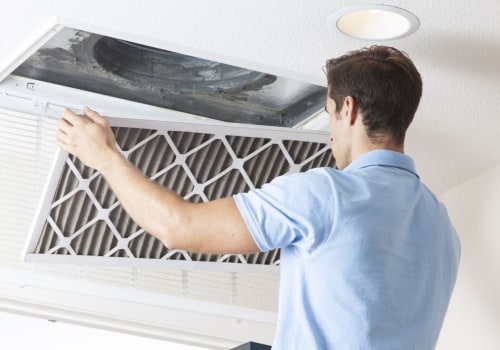
Check your filter slot depth — not just the filter label
Review your HVAC owner's manual for maximum thickness specifications
Currently running a 1-inch or 2-inch filter? Ask an HVAC professional about a cabinet upgrade
Already have a 4-inch cabinet? Move directly to Step 2
Step 2 — Choose the Right MERV Rating for Your Household
Match your filter to your actual air quality needs:
MERV 8 — no pets, no allergies, standard household dust levels
MERV 11 — pets, mild allergies, or above-average dust
MERV 13 — asthma, severe allergies, smoke exposure, or wildfire risk
Not sure? A MERV 11 12x18x4 covers most households without pushing static pressure beyond comfortable system limits.
Step 3 — Replace Your Current Filter Today
Can't remember your last filter change? It's already overdue. A loaded filter is raising your static pressure right now. Every day a dirty filter stays in place adds blower strain and energy waste. Replacing your filter today is the fastest way to restore designed airflow performance. Shop FilterBuy's 12x18x4 filters in MERV 8, MERV 11, and MERV 13.
Step 4 — Set a Replacement Schedule and Stick to It
A 4-inch filter's advantage only holds when change intervals are maintained.
Mark your next change date the moment you install a new filter
Set a calendar reminder — don't rely on memory
General 12x18x4 replacement benchmarks under normal conditions:
MERV 8: every 9 to 12 months
MERV 11: every 6 to 9 months
MERV 13: every 3 to 6 months
Pets, heavy dust, or nearby construction? Change more frequently regardless of MERV level.
Step 5 — Watch for Static Pressure Warning Signs
Know what your system is telling you between change intervals.
Rooms struggling to reach the set temperature — check the filter
Unusual noise from vents or the air handler — check the filter
Unexplained energy bill spike — check the filter
Symptoms persist after a fresh installation? Contact an HVAC professional. A total external static pressure reading above 0.5 inches of water column signals a system-level issue beyond the filter.
Step 6 — Stock Up and Stay Protected
Running out of filters is the most common reason change intervals get stretched too far.
Order a multi-pack so your next filter is already on hand
Store filters in a cool, dry location — performance is not affected
Use FilterBuy's Subscribe & Save to automate your filter delivery
The right filter arrives before you need it — eliminating the gap between when a change should happen and when it actually does.
Frequently Asked Questions
Q: Does a thicker 12x18x4 filter create more static pressure than a thinner filter of the same size?
A: No. Thicker filters produce less static pressure — not more. The 4-inch depth spreads filtration across a much larger media surface area, meaning air moves through with less resistance per square inch. This keeps static pressure lower from day one. What our manufacturing data shows consistently: a 1-inch filter works against your system's pressure budget before it captures a single particle because the media is too compressed. A 4-inch 12x18x4 filter eliminates that starting disadvantage entirely.
Q: How does static pressure from my 12x18x4 filter affect my blower motor and energy bills?
A: Static pressure does not spike and announce itself. It climbs gradually. Your blower quietly adapts — and that adaptation is what costs you. As static pressure rises, the blower runs longer cycles, the motor draws more electricity, and internal motor heat increases. Energy bills rise before the problem ever surfaces as a repair call. A properly matched 12x18x4 filter holds static pressure contribution within the designed operating range and protects the blower motor from chronic compensation.
Q: How do I know if my 12x18x4 filter is causing high static pressure in my duct system?
A: Your system signals static pressure problems before any gauge is involved. Based on years of customer feedback, consistent warning signs include rooms that never reach set temperature, a blower that stays on continuously, unfamiliar noise from vents, and unexplained energy bill spikes. These symptoms develop gradually as filter restriction builds. What to do first: Install a fresh, properly rated 12x18x4 filter and monitor performance for 1 to 2 weeks.
Q: Does the MERV rating of my 12x18x4 filter change how much static pressure it creates?
A: Yes. Higher MERV filters use denser media to capture finer particles, which adds some baseline resistance. However, on a 4-inch 12x18x4 filter, the expanded surface area absorbs the added density without a meaningful static pressure penalty. Our own testing data confirms: a 4-inch MERV 13 can produce less static pressure than a 1-inch MERV 11.
Q: How often should I replace my 12x18x4 filter to keep static pressure at a safe level?
A: Replacement interval is the most consistently underestimated variable. When a filter stays in too long, captured particles accumulate, resistance climbs, and static pressure rises past the system's designed operating range. Recommended intervals under normal conditions: MERV 8 (9 to 12 months), MERV 11 (6 to 9 months), and MERV 13 (3 to 6 months). The habit that makes the biggest difference is marking the next change date the moment the new filter goes in.
Your 12x18x4 Filter Is One of the Most Powerful Tools You Have for Managing Static Pressure in Your Duct System — Choose It Wisely
FilterBuy's American-made 12x18x4 filters are engineered specifically to keep static pressure low, airflow consistent, and your blower motor protected across every stage of the filter's service life.
Tap here to shop MERV 8, MERV 11, and MERV 13 options and take the first step toward a duct system that runs the way it was designed to.
Learn more about HVAC Care from one of our HVAC solutions branches…
Filterbuy HVAC Solutions - Miami FL - Air Conditioning Service
1300 S Miami Ave Apt 4806 Miami FL 33130
(305) 306-5027
https://maps.app.goo.gl/Ci1vrL596LhvXKU79